
Bistrot 27 @mail: info@bistrot27.com Tel. +39 019 4509273

The Drying
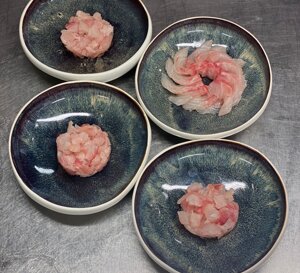
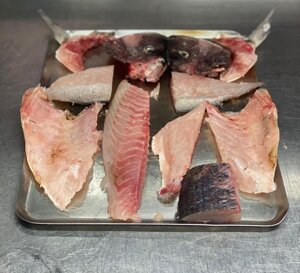
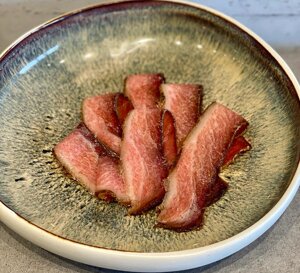
A new frontier for fresh fish: its aging
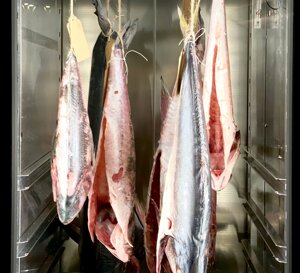
Seafood still faces a lot of skepticism, but above all there is so much to learn and discover. So, the old cliché that sees ultra-fresh fish as the best possible product is starting to crack, to the rhythm of wonderful recipes adopted by the pioneer chefs of fish aging, its dry-aging. In the kitchen, excellence is the result of research paired with top-quality raw material, achieving optimal maturation, where the fish’s flavor grows exponentially, combined with refined cooking techniques for a perfect match. Let’s say right away that this technique has the advantage not only of enhancing taste, tenderness and nutritional values, but it also solves the old, long-standing problem of fish’s rapid perishability, managing to preserve it even for a month and more. It should be made clear that this is a very complex process, far from simple drying, like the one, for example, used for stockfish: we’re talking about a fish that retains all its juices, that keeps the essential traits of fresh fish and that increases the firmness of the flesh, the intensity of the aroma and the concentration of flavor. For the fish to reach an ideal tasting point, the key processes of dry-aging first, and maturation after, are required. Skilled chefs prepare fish for aging by removing the scales and some outer trimmings of the skin, gutting them of the internal organs. Then the scaled, bled and gutted fish is hung with a hook in a special “chamber”, where a special probe, which checks and manages the pH, will control its temperature, humidity and air circulation. Thanks to these three simple natural parameters, the fish can age in complete safety, scientifically preventing any bacterial growth; it goes without saying that different fish species, by quality and weight, will need specific aging times. With an ethical-sustainable approach, and a rediscovery of “humble foods”, nothing gets thrown away anymore. The fish-aging technique makes it possible to use every anatomical part, greatly reducing the percentage of waste, for the benefit of taste and optimization, a new trend and need that points to “Km 0”, that is, to “Zero Waste”.